November is National Diabetes Month, a good reminder to ask a simple question: when was your blood sugar last checked? More than one in three U.S. adults has prediabetes, and most of them don't know it, because it usually causes no symptoms.
What is prediabetes?
Prediabetes means your blood sugar is higher than normal, but not yet high enough to be called type 2 diabetes. It's a warning sign — and an opportunity. Without changes, many people with prediabetes go on to develop type 2 diabetes, which raises the risk of heart disease, stroke, kidney disease, vision loss and nerve damage.
Are you at risk?
- You are 35 or older, or have excess weight
- A parent, brother or sister has type 2 diabetes
- You are physically active fewer than three times a week
- You had diabetes during pregnancy, or have polycystic ovary syndrome
- You have high blood pressure or abnormal cholesterol
How we check
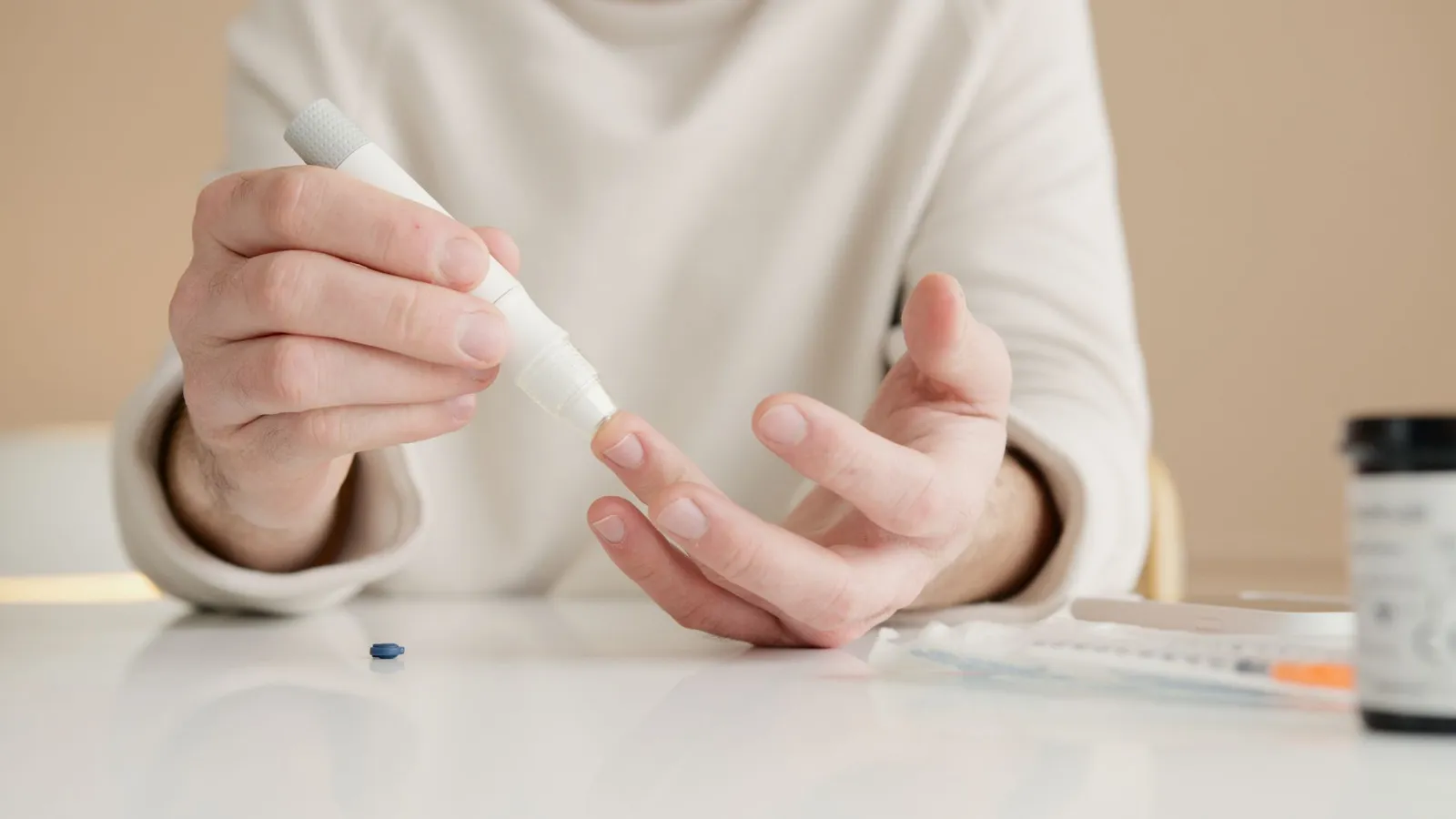
A blood test called the A1C shows your average blood sugar over the past two to three months. An A1C between 5.7% and 6.4% is in the prediabetes range; 6.5% or higher suggests diabetes. A fasting glucose test may also be used. We can often add these to your wellness exam.
The good news: it can be reversed
Structured lifestyle programs like the National Diabetes Prevention Program have been shown to cut the risk of developing type 2 diabetes by more than half. The steps are realistic:
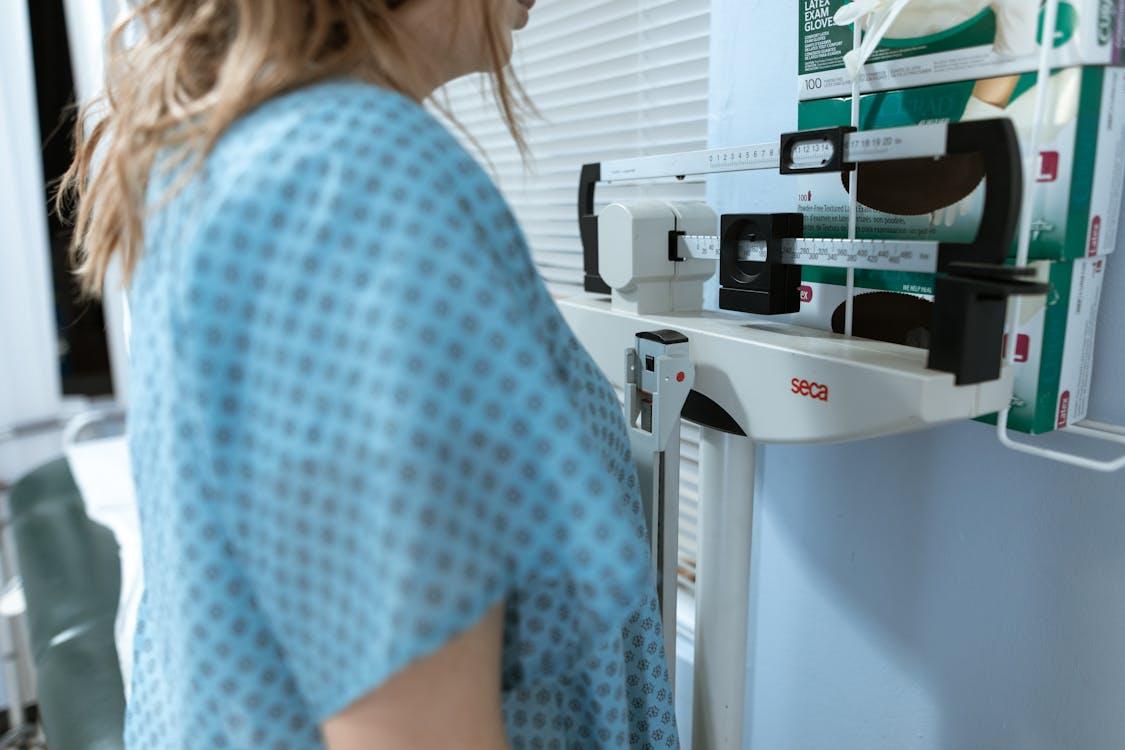
- Losing 5–7% of your body weight (about 10–14 pounds for a 200-pound person)
- About 150 minutes a week of activity, such as a brisk 30-minute walk five days a week
- Fewer sugary drinks and refined carbs; more vegetables, beans, whole grains and lean protein
- Better sleep and stress management
For some people, medication is also part of the plan. We'll talk through what fits your health and goals.
Take the first step
If it's been more than a year since your last check, or you have any of the risk factors above, book a visit or call (936) 756-2888. Knowing your number is the first step toward protecting your health.
This article is for general education and is not medical advice. Talk with your doctor about your own health. In an emergency, call 911.